The thousands of miles of coastline in Britain include pebbled coves, sandy estuaries, chalk cliffs, and harbour towns that have been popular tourist destinations for years. Families find that the beach offers something unique that inland locations seldom duplicate: a permissive environment where kids are free to run, yell, and explore. That level of independence is worth travelling specifically for.
Well-chosen lodging goes hand in hand with coastal vacations, and some parents choose luxury hotel breaks that blend cosy nighttime retreats with exciting daytime excursions. An afternoon spent scrambling over wet rocks contrasted with a fully comfortable chamber creates a kind of satisfaction that neither activity would produce on its own.
Rock Pooling: A World at Low Tide
Where to Find the Best Pools
When the tide recedes, the Lizard Peninsula in Cornwall and the Marloes Sands in Pembrokeshire reveal extraordinarily rich intertidal zones. In Northumberland’s Beadnell Bay, anemones, blennies, shore crabs, and sometimes little fish caught in shallow water reward patient observers. Youngsters who approach these settings cautiously and silently typically come across a lot more than those who come expecting spectacle right away.
Bringing a basic identification guide turns casual browsing into real exploration. Understanding whether an object is a brittle star or a common starfish causes observation to change from passive to intentional, which keeps younger visitors’ attention for much longer.
Boat Tours and Wildlife Encounters on the Water
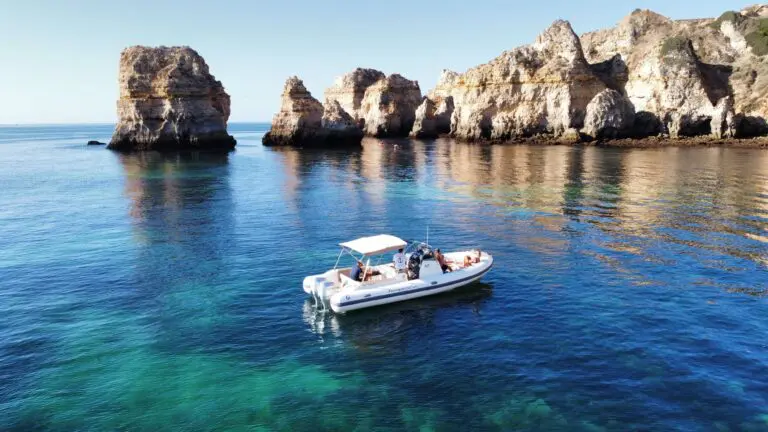
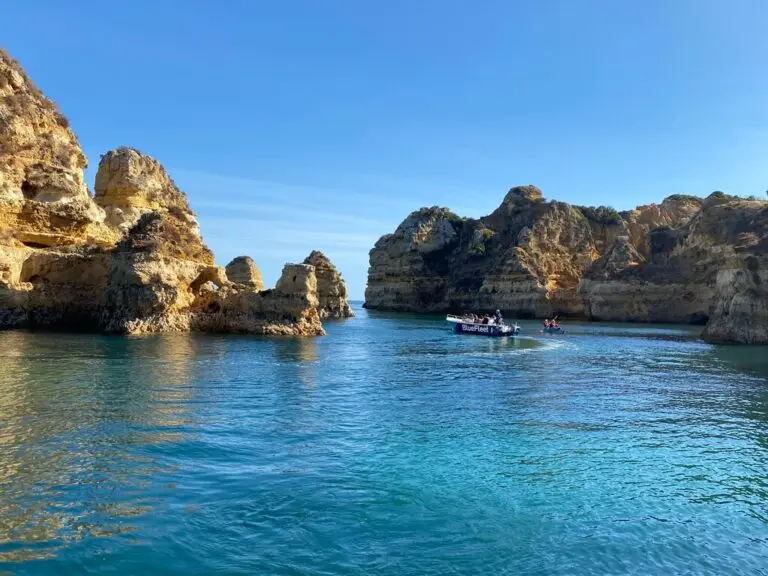
No beach walk can match the view of Britain’s coastline that comes from taking the entire family out on the water. Passengers can get up close and personal with seabird colonies, grey seal haul-outs, and, under the right circumstances, dolphins’ dorsal fins tracking alongside the boat on guided boat tours that depart from harbours in Newquay and beyond. Older children are especially well suited for coasteering courses, which include swimming, scrambling, and jumping across sea-level rock formations under competent supervision.
From kayak trips in Newquay through coastal caves to eco-focused outings that prioritise animal observation alongside true adventure, there is a vast array of these water-based activities in its family and kid-safe in the UK.
Snorkelling, SUP, and Sunset Experiences
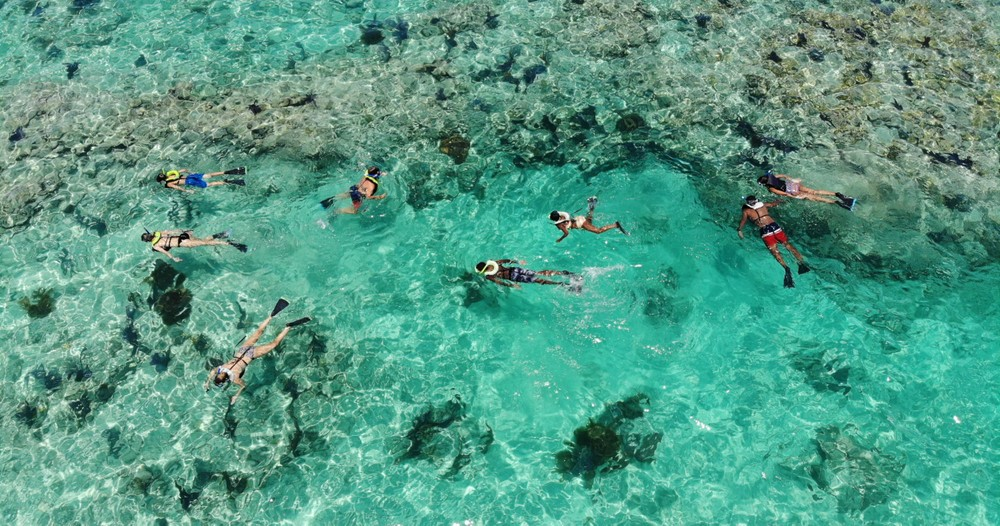
For youngsters who desire something more interesting than just wading at the shore, stand-up paddleboarding in protected coastal inlets offers calm water access. Snorkelling vacations in the calmer southern waters near Cornwall introduce children to an undersea world that they would never encounter through shore-based activities alone. Sunset boat trips provide a calmer end to hectic days afloat, with the quality of Atlantic light around Britain’s western coastline generating views that will linger with young tourists far longer than any scheduled activity.
Coastal Parks and Nature Reserves
The extensive beach, pine woodland, and dune systems that make up Norfolk’s Holkham National Nature Reserve are absolutely unique on the English coast. Photographs can’t capture the spatial surprise of walking through a forest from the parking lot to the open sand. Similar dunescapes and chances to see migratory birds during the spring and autumn migration seasons can be found at Wales’ Ynyslas Nature Reserve.
Rockney Beach and Shoreline Safety
Most visiting families don’t realise how important it is to teach kids about tidal awareness. Explaining rip currents, rapidly increasing estuary tides, and precarious cliff edges is necessary before exploration starts, not after a tense moment. Simple guidelines tailored for younger readers are published by several local coastguard agencies.
Water Activities for Active Families
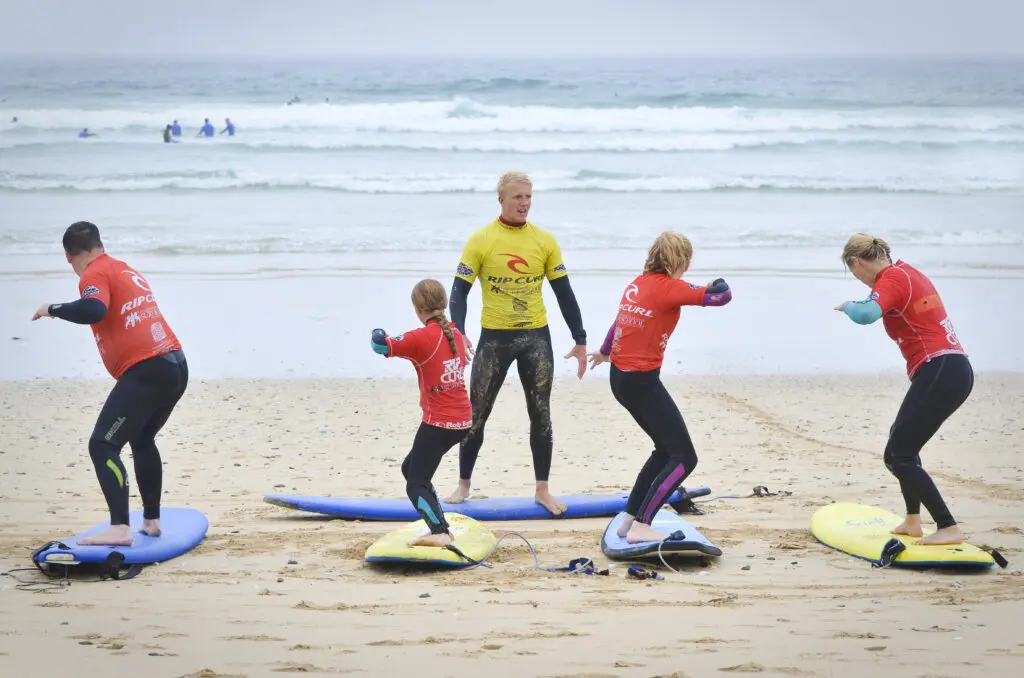
Throughout the summer, introductory kayaking classes are offered from harbours in Devon, Dorset, and the west coast of Scotland. Participants as young as eight years old can enrol in surf classes in Newquay, Croyde, and Porthcawl. Qualified tuition eliminates the technical frustration and safety concerns associated with teaching oneself. In sheltered estuaries, paddleboard lessons (like this one in Cornwall) have grown significantly, providing more tranquil options for families with young children looking for water-based activities without a lot of wave exposure.
Evening Rituals Worth Preserving
One of the oldest family customs in coastal Britain is the dropping of crab lines from port walls at sunset. As daylight fades, tidal flow puts crabs near stonework in Tenby, Padstow, and Tobermory. Catching, inspecting, and releasing animals back into the water imparts lessons about observation and self-control that are rarely found in organised activities.
Suppers of fish and chips eaten on a sea wall as the light fades fall into a particular category of delights that are inexpensive yet build up into treasured memories over time. When coastal Britain is approached without much preparation, it tends to produce just this kind of spontaneous satisfaction. Often, the best outcomes come from arriving without strict expectations.