Chartering is the perfect way to fall in love with life on the water. You get the sunsets and the
swims without the upkeep. At some point, though, frequent charterers start wondering whether
to buy a boat of their own.
That leap is a big one, and the right first boat makes all the difference. Shoppers weighing the
move often look at options like Bayliner Boats for sale because they balance price and
versatility. This guide covers whether ownership fits and how to choose wisely.
Why Move From Chartering to Owning?
Because at a certain point, renting stops making sense. A charter is ideal for a few trips a year,
but costs add up fast for regular boaters.
A yacht charter is a rental agreement for a boat, often with a crew and a set itinerary. It is a
wonderful taste of the lifestyle, and a good jacht charter gids is worth reading before you
book. Once you are on the water most weekends, ownership can be the better value.
Ownership also brings freedom. You go when you want, keep your gear aboard, and learn one
boat inside out. For many, that control is the real reward. Charter fans who keep returning to a
hub like Florida’s waters are often the first to make the jump.
What Makes Bayliner a Popular First Boat?
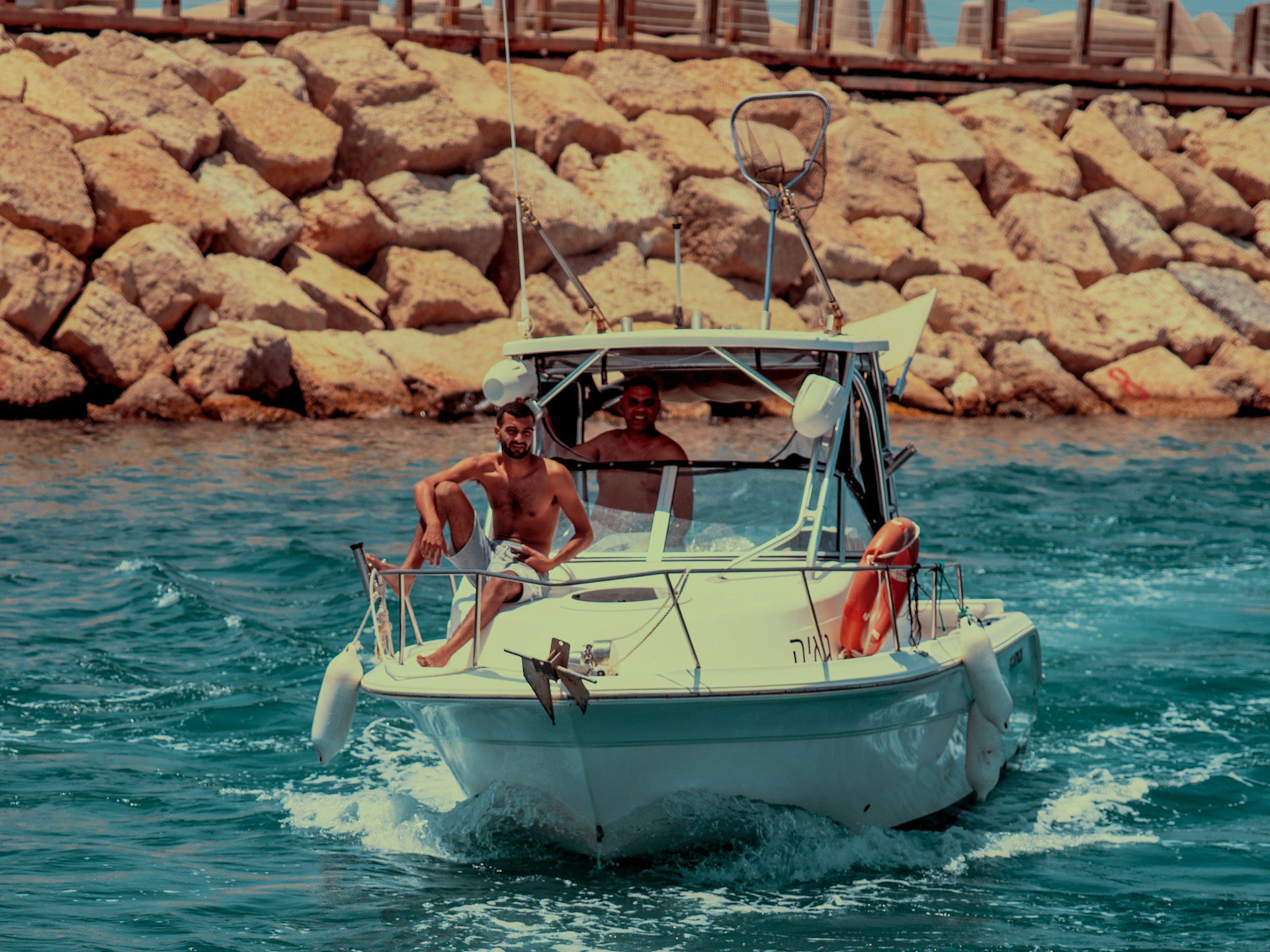
Photo by Boris Izmaylov on Unsplash
It hits a sweet spot for new owners. The brand is known for accessible pricing and everyday
versatility.
- Value, with lower entry prices than many rivals.
- Versatility, spanning cruising, watersports, and lounging.
- A wide model range, from compact runabouts to larger cruisers.
- Familiar handling that suits newer boaters.
- Broad dealer and parts support across the country.
None of this means it is the only choice. It simply explains why a Bayliner lands on so many
first-time shortlists. Resale is part of the appeal too. A widely-owned brand tends to hold a predictable value and sell more easily when you upgrade. For a first boat you may outgrow in a few seasons, that
liquidity matters more than buyers expect.
How Do You Know You’re Ready to Buy?
What Ongoing Costs Should You Expect?
What Should a First-Time Buyer Check?
Slow down and inspect before you sign. A little diligence saves a lot of regret.
- New versus used, weighing warranty against a lower price.
- A sea trial, since a boat feels different on the water.
- A survey on any used hull, to catch hidden issues.
- The right size for your crew, trailer, and storage.
- A dealer who supports the boat after the sale.
Reviewing the basics of buying a boat before you shop helps you compare models with clear eyes. A confident buyer asks better questions and gets a better deal.
Where Do You Buy With Confidence?
From a dealer who knows your waters and stands behind the sale. Local knowledge beats a
distant listing every time. A good dealer helps match the model to how you will actually use the boat. They also handle service, warranty, and parts long after the purchase. That relationship is worth as much as the
price on the tag.
Take your time with the decision, too. A boat bought in haste to catch one summer often becomes the wrong fit by the next. Visiting the dealer, asking questions, and sleeping on it lead to a purchase you enjoy for years rather than one you quietly regret.
A First Boat Buyer’s Checklist
- Track your charter days to confirm ownership makes sense.
- Shortlist versatile, well-supported models like Bayliner.
- Budget about 10 percent of the value for yearly upkeep.
- Take a sea trial and survey before you commit.
- Take a recognized boating-safety course early.
- Buy from a local dealer who supports the boat.
Casting Off as an Owner
Moving from chartering to owning is a natural next step for anyone hooked on the water.
Confirm you use a boat enough, choose a versatile first model, and buy from a dealer you trust.
Do that, and your own boat becomes the easiest yes of your boating life.
Veelgestelde vragen
For a handful of trips a year, chartering usually wins on cost. Once you are on the water most
weekends, ownership often becomes the better value. Counting your annual days on the water
is the clearest way to decide.
It combines accessible pricing with versatile, familiar handling. The wide model range and broad dealer support make it easy to own. Those traits are why it appears on so many first-time shortlists.
A common guideline is around 10 percent of the boat’s value annually. That covers dockage,
insurance, fuel, and maintenance. Costs rise with size, so factor them in before buying.
Requirements vary by state, but a recognized safety course is always wise. Programs built on
national standards teach the essentials for new owners. Many insurers also reward the
certificate with a discount.