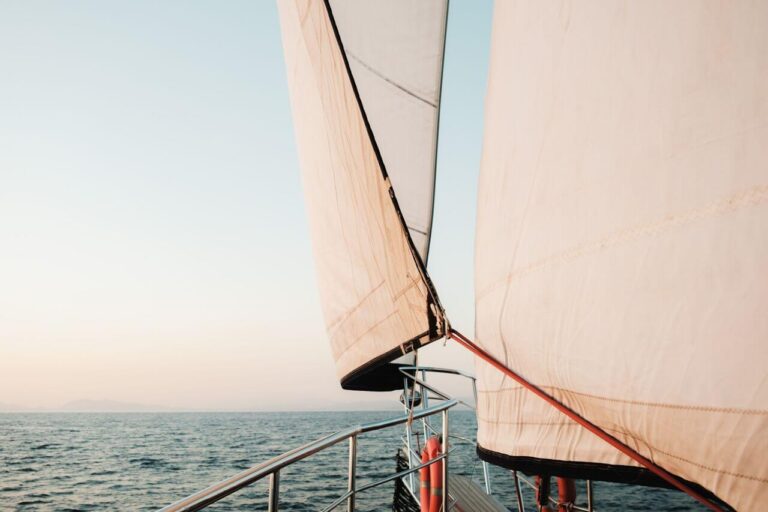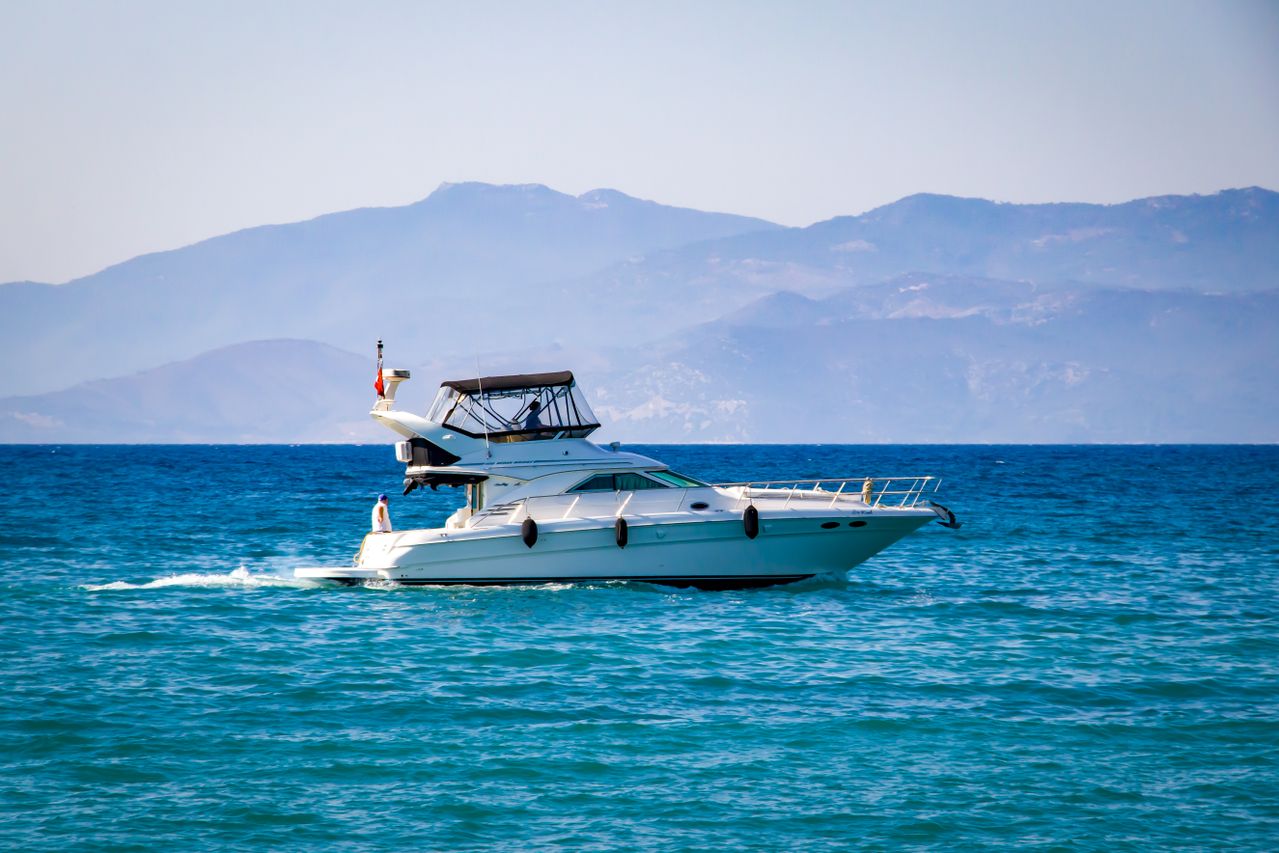
All seasoned charterers are familiar with the time. The boat comes out of the harbour, and the coastline recedes in the background as the only sound is that of the water splitting under the hull. Otherwise, the crew, the itinerary, the inside either enhances or dampens that sense. On the high end of the charter industry, the key between a good trip and a great one is seldom the destination. It ultimately depends on whether the boat was designed to be a fun and easy hour at sea.
Sound: The Invisible Architecture of Onboard Comfort
One of the most overlooked aspects of guest experience is the acoustic environment. Even the best saloon can be ruined by a poorly-tuned sound system or by uncontrolled ambient noise, especially from engines or HVAC. The best ship designs consider audio as a design discipline.
The acoustics of the space is as important as the system that is driving it. The density of upholstery, cabinetry material and soft furnishings all influence the performance of sound in an enclosed cabin. Owners who hire an acoustic consultant before construction are surprised by the vast difference in the performance of the same system in a treated room versus one with hard, reflective surfaces. The intent is to be understood, not to be heard: natural music and conversation.
Climate Control: The Engineering Behind Thermal Comfort
The first aspect of comfort at sea is temperature. Even in a nice warm environment a guest who feels warm won’t lie down. Unlike a hotel room, a yacht cabin is confined to a sealed, moving space with constantly changing heat loads due to the changing level of sun exposure, vessel speed and occupancy.
The modern marine HVAC systems have undergone significant changes. Variable refrigerant flow systems allow each cabin area to operate individually, thereby cutting energy usage and combating conflicting cabin preferences. Inverter-driven compressors do not cycle on/off based on demand, providing more consistent cabin temperatures and reducing the generator load. This is important for charter boat businesses looking to operate silently when they are anchored.
Comfort for passengers is more than just luxury seating. The right window blinds for marine use can help block the glare and ensure the cabin remains cool while preserving a comfortable, enjoyable environment for the crew and passengers which is why top-notch skippers use window blinds designed especially for marine environments. A heat load is also created when the sun’s energy passes through the unshaded glass and enters the HVAC system to be removed. Those fabrics made specifically for use in the marine environment soak up solar heat before it can reach the cabin, thereby keeping cabin temperatures cooler and helping the climate control system to operate more efficiently. The difference between a shaded and an unshaded interior is the difference between a comfortable or uncomfortable afternoon below deck on a hot summer charter in the Mediterranean Sea or Caribbean.
What is Glare Reduction and why is it so important?
One of the on-board condition’s guests don’t often use in their description, but certainly feel, is glare. The sun blinding the view across the saloon table, straining to read the screen, discomfort in the sunlit lounge room, all these are the attributes of solar glare without the viewer realising what is the cause.
The considerations are different in guest areas but just as important. The west-facing afternoon light from aft decks and saloon windows creates strong, directional light which impacts physical comfort and the space’s photographic qualities. Hard, sunlight of the afternoon makes a saloon less appealing than warm, diffused light. Solutions that diffuse, as opposed to block, natural light change the nature of spaces through the day when people are using them most.
Interior Design: Aesthetics and Function.
Guests make their judgement before they are on board, which is the visual identity of the yacht. Interior is emphasized in renders, brochures and broker listings as it is the first impression. However, the most coveted superyacht interior designs are not just purely aesthetic. Their designers knew the elements of materials at sea, how the light shifted throughout the day, and how guests would move through an area.
Natural materials are making a comeback in yacht design, in part as a response to the high gloss, white look of the 2000’s. Handmade leather, oiled teak and woven fabrics with real texture are what makes people know the quality of the product. The difficulty is durability, exposure to the sun, salt water and the low impact vibrations of a vessel at sea speed up the rubbing. Investors in high-quality natural surfaces require UV blocking window treatments and UV resistant finishes to prevent loss of investment.
Another instance of this is in the field of lighting design. In the field of lighting design, good is quite different from exceptional. A layered lighting system is the best charter yacht lighting system, as they will have alternate levels for lighting and activities during the day and again in the evening with the lights and ambiance set at a lower level. Dimmable circuits across the vessel, combined with careful placement of fixtures, help to make spaces larger and more considered than circuits with hardwired, single-bulb fixtures.
Technology Integration: Not Show Piece , It’s Seamless.
There is a kind of technology integration that looks good during a walkthrough, but is not enjoyable during a charter week. You don’t want too many systems, apps, and interfaces to become a liability when guests cannot adjust the blinds without having to call a crew member. The best superyacht designs are those that use the technology as infrastructure. Systems work quietly and don’t require much from the inhabitants on board.
Integrated yacht management systems allow the staff to view and manage engine performance, tank levels, lighting and climate through a single interface. For visitors, it ought to be easier: a clean panel or application that deals with the things they really need to tweak. Most guest interaction with onboard systems is through audio, temperature and lighting. The 3 should be easy. All else should take care of itself.
Expectations of connectivity now exist. For charter guests who require reliable bandwidth for video calls, and leisure guests who demand uninterrupted streaming, VSAT and 5G hybrid systems provide reliable bandwidth offshore. Connectivity infrastructure that is designed from the start is relatively inexpensive to construct, and is always a result of a successful charter review.
The Details Charter Guests Remember:
Talk to anyone who’s been on a well-managed charter yacht for a week and the words that come out of their mouths aren’t always “beam width” or “top speed. They recall the morning light in the master cabin. The lull of the sea at anchor. The saloon which remained cool in the afternoon. The music they always had “just right. They are in part the result of conscious design and are the real criteria of a quality charter.
Whereas for those who are looking to get a new build or considering a refit, the investment in a higher comfort system is a no-brainer. Well-specified vessels, boasting excellent guest reviews consistently have charter rates that exceed market averages. Systems that create those reviews, acoustic, thermal, visual and technological, do not usually raise significant awareness of the “build”, but they can make a significant difference to the vessel’s market performance.
If you’re considering options, there are questions to ask beyond the specifications that charterers should consider raising with their broker. Inquire about how the vessel will regulate its temperature during the afternoon. Discover if climate and audio systems have independent zone control. Inquire about the type of screening being used on windows that face out toward the sun. Those answers will give you the answer to how well the vessel has been designed more than any list of technical specifications.