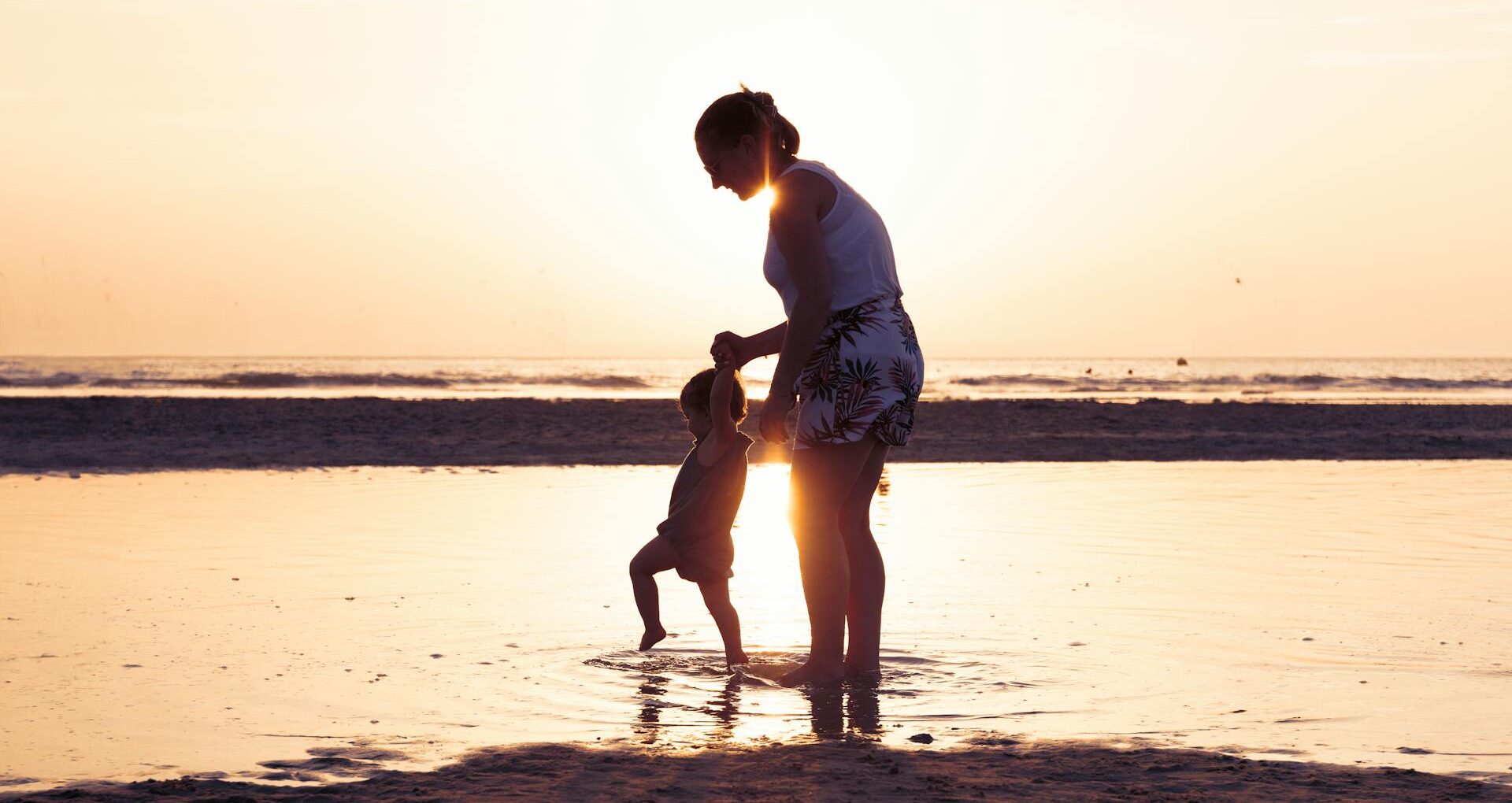
Ein Sommerurlaub am Strand mit den Kindern ist die perfekte Mischung aus Spaß und Entspannung. Die Tage sind ruhig, die Sonne ist freundlich, und man kann die ganze Zeit als Familie zusammen verbringen. Die Zeit am Strand gibt Ihnen aber auch die Möglichkeit, den Kindern zu helfen ihre Angst vor dem Wasser zu überwinden. Der Strand sieht angenehmer und weniger einschüchternd aus als der Unterricht in einem Schwimmbad mit einem strengen Trainer in der Schwimmschule. Hier sind neun Strategien, mit denen Sie Ihren Kindern während eines Familienurlaubs am Strand das Schwimmen beibringen können.
1 Besuchen Sie den Strand am frühen Morgen
Kinder, die im Wasser etwas nervös sind, verkrampfen sich oft, wenn der Strand überfüllt ist oder die Wellen zu laut sind. Der frühe Morgen kann für sie ein sanfterer Einstieg ins Wasser sein. Das Sonnenlicht ist sanft, die Wellen rollen langsamer an und das Ufer ist ruhig, so dass sie sich ohne Ablenkung eingewöhnen können.
Ein Aufenthalt in der Nähe des Wassers macht diesen frühen Start möglich. Wenn Sie zum Beispiel an der Küste von North Carolina Urlaub machen, sollten Sie einen Aufenthalt in einem Outer Banks Vermietungen direkt am Meer. Sie können direkt nach dem Frühstück nach draußen gehen, solange der Strand noch leer ist. Je sanfter die Umgebung ist, desto leichter wird es Ihrem Kind fallen, selbstbewusst das Schwimmen zu lernen.
2 Erklären, wie Wellen funktionieren
Viele Kinder erschrecken, sobald sie große Wellen im Meer sehen. Die ungewohnte Bewegung lässt das Wasser unberechenbar erscheinen. Nehmen Sie sich also Zeit, um zu erklären, wie Wellen funktionieren. Wenn sie verstehen, dass Wellen nach einem bestimmten Muster steigen, fallen und brechen, wirkt das Wasser weniger mysteriös.
Setzen Sie sich gemeinsam in den Sand und beobachten Sie, wie die Wellen anrollen. Zeigen Sie ihnen, wie sie mit den Füßen in der Nähe der Wellen stehen können. Auf diese Weise können sie spüren, wie das Wasser auf sie zurollt. Sobald sie den Rhythmus der Wellen sehen, wird ihre Angst vor dem Schwimmen schwinden.
3 Start in seichten Gewässern
Untiefe Bereiche lassen Kinder auf dem Boden bleiben. So wirkt das Meer weniger einschüchternd. Es ist auch perfekt für Schwimmen mit Säuglingen, wo Komfort und Nähe mehr zählen als die Perfektionierung von Fähigkeiten.
Gehen Sie mit den Kindern zunächst nur bis zu den Knien ins Wasser. Lassen Sie sie herumplanschen und sich an die Temperatur gewöhnen. Ermutigen Sie sie, sich hinzusetzen und die sanften Wellen zu genießen. Wenn sich das Wasser vertraut anfühlt, werden sie später eher bereit sein, sanfte Bewegungen zu versuchen.
4 Lassen Sie sie auf dem Rücken treiben
Nervöse Schwimmer können sich am Strand beruhigen, wenn sie wissen, dass sie sich jederzeit im Wasser ausruhen können, also bringen Sie ihnen bei, wie man auf dem Rücken schwimmt. Schwimmen lehrt Vertrauen. Es hilft ihnen, den Auftrieb ohne Druck zu verstehen. Es ist auch eine gute Möglichkeit, die Grundlagen des Rückenschwimmens auf ruhige Art und Weise zu vermitteln.
Stützen Sie den Kopf und den oberen Rücken mit Ihren Händen. Bitten Sie sie, in den Himmel zu schauen und sich zu entspannen. Lassen Sie sie spüren, wie das Wasser sie hält, auch wenn sie sich kaum bewegen. Dieses Vertrauen in das Wasser wird später sehr wichtig, wenn sie Kicks und Schläge lernen.
5 Bringen Sie lustige Wasserfahrzeuge und Spielzeuge mit
Spielzeug hilft, die Nervosität im Wasser zu verringern, indem es den Kindern etwas Lustiges und Vertrautes bietet, auf das sie sich konzentrieren können. Wenn die Stimmung nicht mehr angespannt, sondern spielerisch ist, fällt es ihnen leichter, zu schwimmen.
Bringen Sie Schwimmflügel, Hüpfburgen oder weiche Strandbälle mit. Das sind unverzichtbare Strandutensilien für Kinder, besonders wenn Sie einen nervösen Schwimmer haben. Legen Sie ein Spielzeug in einiger Entfernung ab. Bitten Sie sie, es zu “retten”. Sie können auch einfache Wurf- und Fangspiele im seichten Wasser spielen. Wenn Kinder Wasser mit Spielen verbinden, werden sie neugieriger und weniger ängstlich.
6 Lass sie an dir festhalten
Nähe gibt Kindern ein Gefühl der Sicherheit. Nervöse Schwimmer brauchen oft das Gefühl eines Ankers, bevor sie etwas Neues ausprobieren. Bleib mit ihnen im Wasser, wenn sie besonders ängstlich sind, und lass sie sich an dir festhalten. Sie werden sich mutiger bewegen, wenn sie wissen, dass du in der Nähe bist.
Stellen Sie sich neben sie, wenn sie das Wasser betreten. Bieten Sie ihnen Ihre Hand an oder lassen Sie sie ihre Arme um Sie legen, während Sie mit ihnen durch das Wasser gehen. Machen Sie langsame und gleichmäßige Schritte. Sprechen Sie sanft mit ihnen über das, was Sie tun, damit ihnen nichts plötzlich erscheint. Wenn sie Ihre Stabilität spüren, wird ihre Angst vielleicht nachlassen.
7 Bleiben Sie spielerisch und liebevoll, nicht strikt
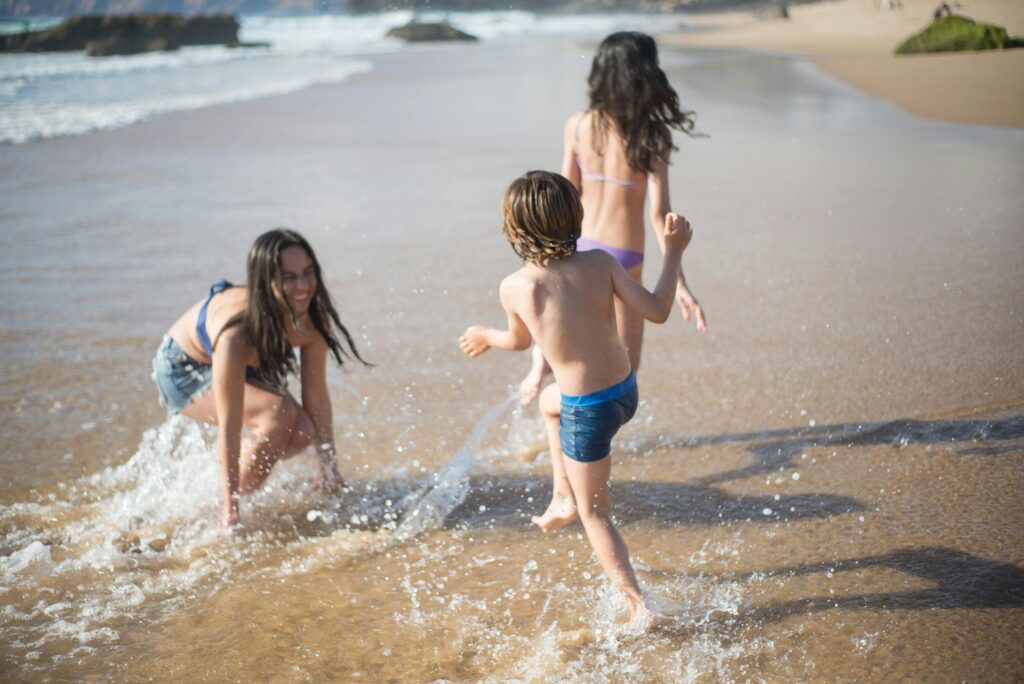
Kinder lernen schneller, wenn sie Spaß haben, denn das Spiel macht die Erfahrung zu etwas Leichtem. Das öffnet sie dafür, neue Bewegungen auszuprobieren. Verwandeln Sie kleine Fähigkeiten in einfache Spiele. Wetteifern Sie darum, wer am längsten Seifenblasen pusten kann, zählen Sie Muscheln unter Wasser oder lassen Sie die Kinder sanft platschen und ermuntern Sie sie, zurückzuspritzen. Diese Momente helfen ihnen, das Schwimmen mit glücklichen Erinnerungen zu verbinden.
8 Lassen Sie sie älteren Kindern beim Schwimmen zuschauen
Älteren Kindern beim Schwimmen zuzusehen, legt oft einen Schalter im Kopf eines Kindes um. Wenn jemand, der nur ein bisschen älter ist als sie, mit dem Ozean umgehen kann, dann können sie es vielleicht auch. Lassen Sie sie ihren älteren Geschwistern oder anderen Kindern bei “coolen” Aktivitäten im Wasser zuschauen, wie z. B. Stand-up-Paddleboarding oder Jetski fahren.
Suchen Sie sich einen bequemen Platz im Sand und lassen Sie Ihr Kind in Ruhe beobachten. Erklären Sie ihm, dass jeder klein anfängt, z. B. mit dem Schwimmenlernen, bevor er sich an große Aktivitäten wagt. Das kann sie dazu anregen, die Grundlagen zu erlernen, damit sie wie die großen Kinder Wasseraktivitäten erleben können.
9 Verführen Sie sie mit kinderfreundlichen Wasseraktivitäten
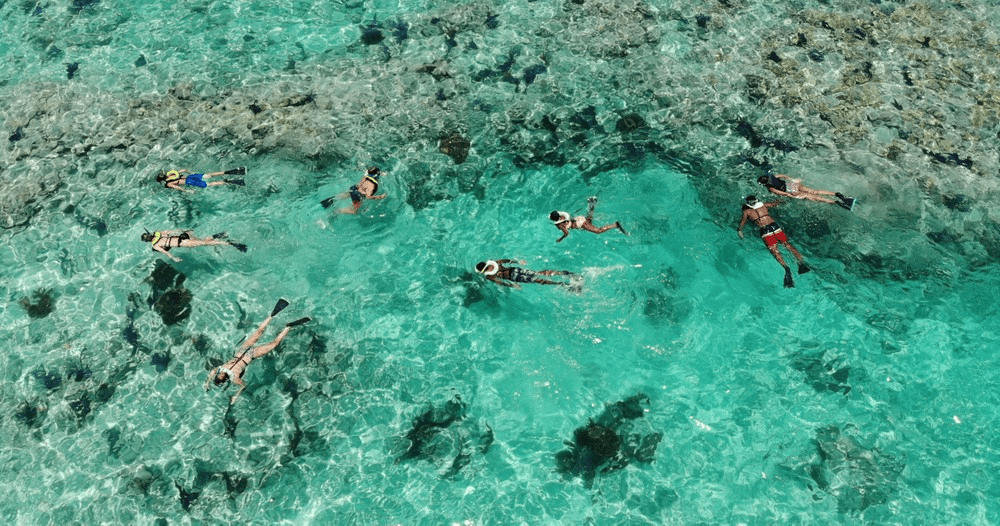
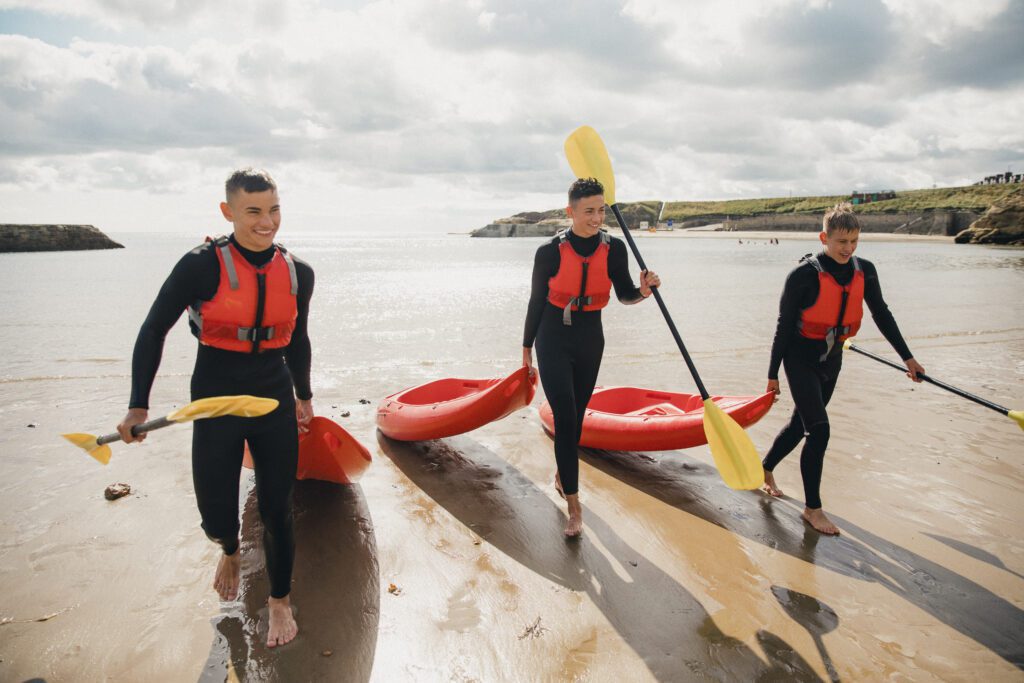
Manche Kinder brauchen einen Funken Aufregung, bevor sie das Schwimmen ausprobieren. Stellen Sie sicher, dass Ihr Reiseplan einige lustige, familienfreundliche Wasseraktivitäten enthält. Ziehen Sie sanfte Optionen wie Schnorcheln im flachen Wasser oder Kajakfahren in Betracht. Diese Aktivitäten können den Kindern helfen, das Wasser als einen Ort zu sehen, an dem sie Spaß haben, anstatt Angst zu haben. Sie tragen dazu bei, positive Erfahrungen am Strand zu machen. Dadurch wird ihrem Gehirn vermittelt, dass man das Meer genießen kann. Sobald der Spaß die Oberhand gewinnt, kann die Angst vor dem Schwimmen schwinden.
Der Strand bietet sanfte Wellen, flache Stellen und lustige Aktivitäten, um selbst die ängstlichsten Kinder zum Schwimmenlernen zu motivieren. Betrachten Sie Ihren nächsten Strandurlaub als eine Chance, ihnen beim Aufbau dieser Fähigkeiten zu helfen. Wenn sie dann endlich alleine schwimmen, planschen und schwimmen können, werden sie sich für immer an diesen Urlaub als einen Meilenstein im Wasser erinnern.